Getting Fit After 40: Lifestyle and Fitness
The marking of a new decade can be a time to reflect on lessons learned and plan for what lies ahead. For many, the onset of our 40s triggers the urge to “get the house in order” by getting stronger, losing weight, or getting back to athletic pursuits. When I returned to playing basketball at 39 it was after nearly a decade away from the game. I jumped right in playing multiple times a week and soon ran into trouble. While I still had the mental part of the game intact, recurring injuries forced me to accept that my body was not up to playing at the level I desired.
A decade later, I can play basketball competitively 1-2 times a week (most of the year) against good players decades younger. I am preparing to compete in my third track meet in 5 years this July. I am stronger than ever and can more easily do the things around the house I enjoy like cutting firewood and gardening. The past decade has taught me a lot about how to successfully return to training and sport, and the importance of getting stronger for life.
In this article I will explore how to safely and smartly return to training, or if this is all new to you, how to start your fitness journey by setting yourself up for success.
Set goals and define what success means for you. You can’t chart a course if you don’t know where you want to go. Goal setting can help you identify and define what success looks like to you. If you’re working with a coach, your goals will give them insight to how to build the best program for you. More importantly, goals are what you draw inspiration and motivation from on days when both are in short supply.
You are not the athlete you used to be, yet. Returning to a fitness program or sport should not start by picking up where you left off years ago. If you return to the gym, court, or field as if you just took a week or two off, you are at high risk of setbacks and injury. If you have taken an extended break or never trained, it is essential to acknowledge where your body is now, not where it used to be. Accept that you have most likely lost muscle mass, strength, and mobility. The mind may be saying, “we remember how to do this,” however, the body begs to differ.
Think of yourself like a car that has been sitting in the garage for a while. Before you fire it up and go all-out on the highway, you should have a knowledgeable person take a look at it – kick the tires, check the oil, drive it slowly and listen for bangs and clangs.
Same goes for your body.
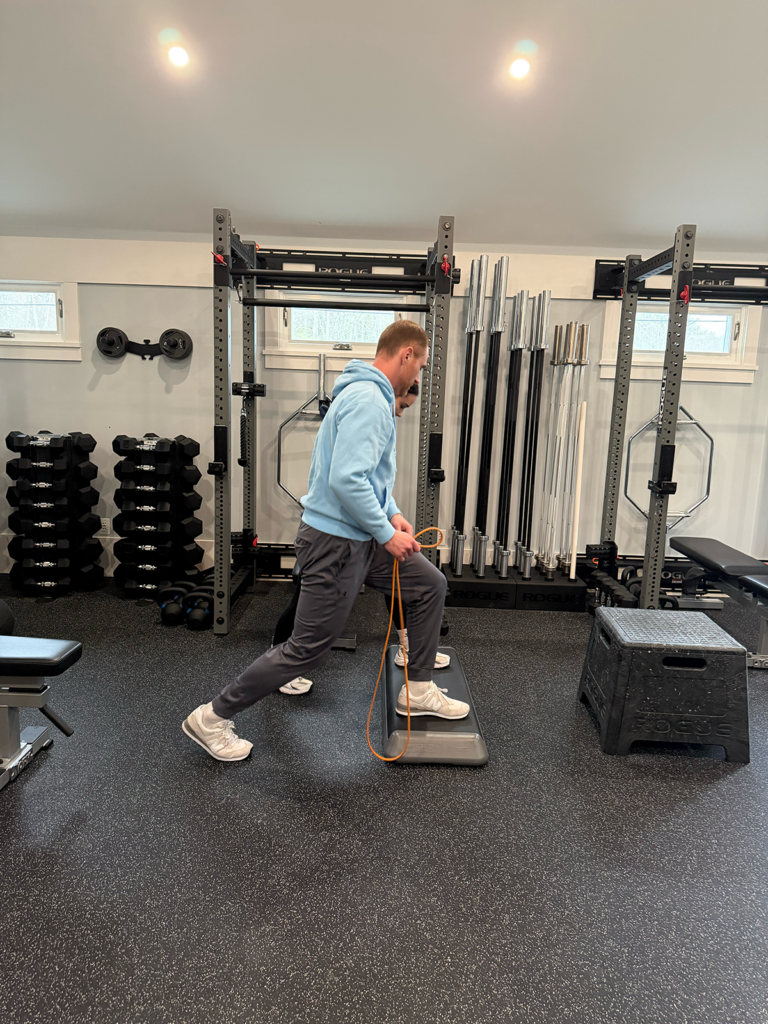
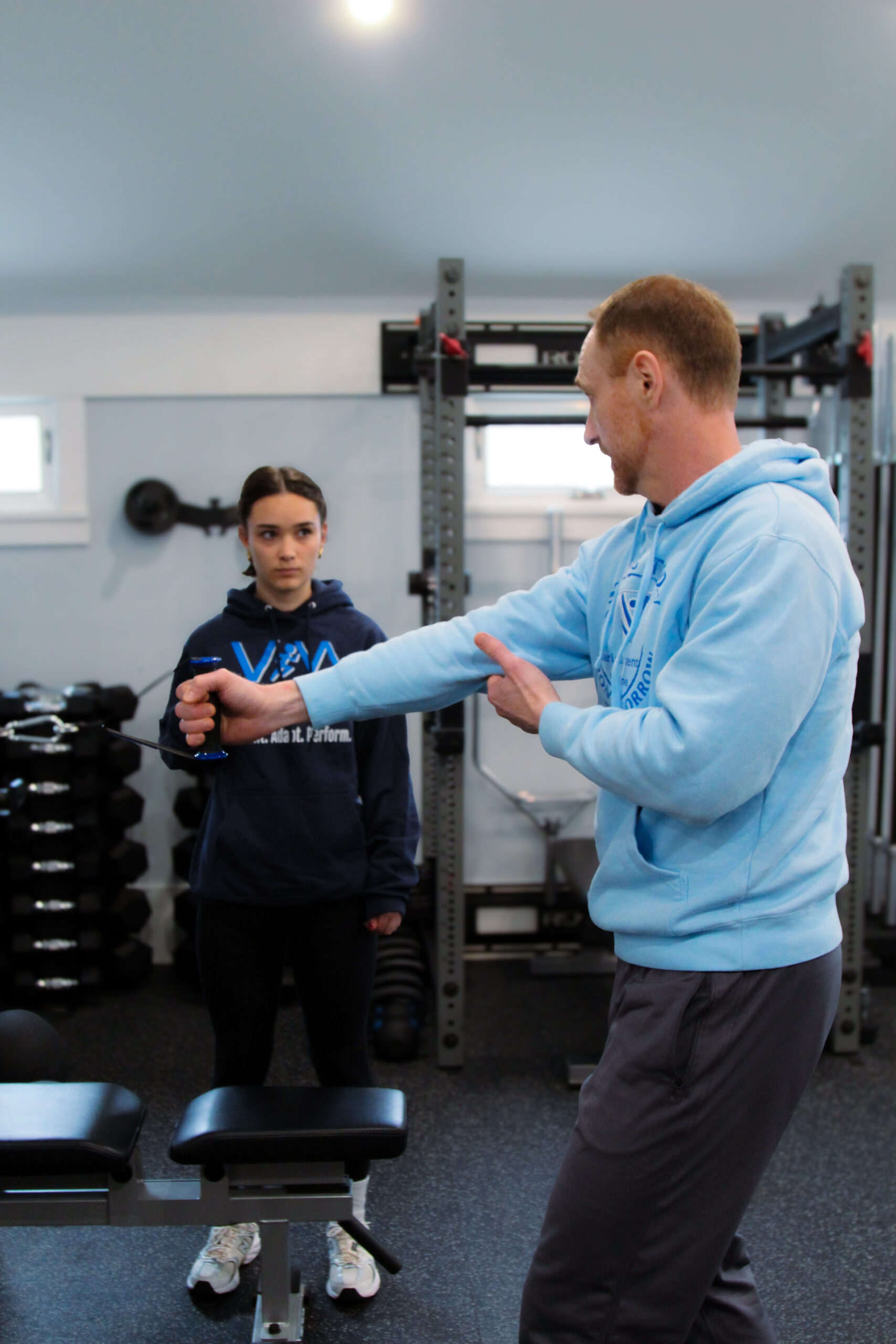
Start by discussing your plans and goals with your health care provider and get medically cleared for the activities you intend to pursue. Once cleared, seek out an assessment from a fitness professional who can identify mobility deficiencies, as these will be both a limiting factor to progressing your program and increasing your risk of injury. After years of disuse, you have likely developed strength imbalances and reduced joint mobility. Best to correct those at the beginning of your training and not after you get hurt.
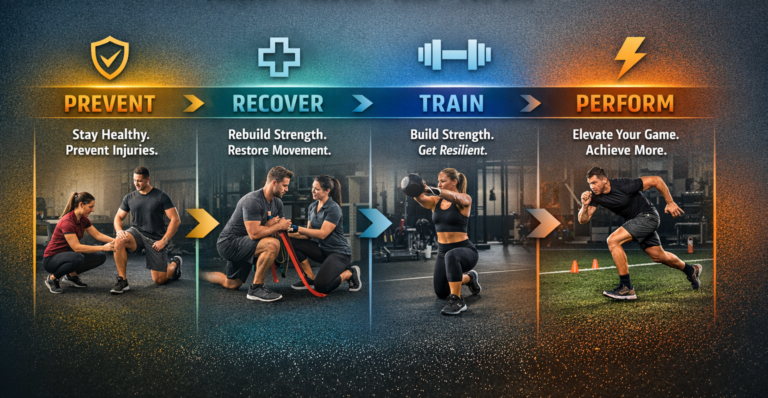
Make the right plan for you. After completing your assessment, use that information to prioritize your training based on what your body needs most and what is most important to reaching your activity goals. A fitness professional can help you create a plan tailored to your unique situation and help you sort out the details, such as: what are the best exercises and progressions; how often should I workout; how many reps or sets should I do (or explain the difference between a rep and a set); and how to round out your workout plan with mobility work, stretching, and planned recovery.
In the early stages, a good plan will leave you wanting more. A good plan will motivate and excite you, but progress only when your body is ready. Your mind may be saying “go, go, go,” but your body may be saying “not yet.” Avoiding the common pitfall of too much too soon will save you time, money, and frustration dealing with setbacks or injury.
An approach that I have used successfully is a yearly periodized training plan that helps me prioritize and organize my training. As an aging hooper, I can no longer play as hard as I want to year-round. My body needs dedicated time for preparation and recovery. I break up my training into off-season (strength and hypertrophy focus), pre-season (speed, skill, and power focus), in-season (maintenance, acute recovery, and injury prevention), and post-season (physical and mental recovery). This approach can work whether you are training for sport or life.
Start slow, strive for consistency, and be patient. You are not going to make up for years of inactivity or neglect in a month or two. Your real success will come with consistency and steady progress. Perfection is not expected, but consistency is non-negotiable. Get comfortable thinking about your training in years, not weeks or months. Get a program that is right for you and that you can adhere to. Use good nutrition to support your activity, help with recovery, and build lean muscle tissue. Get good sleep and try to reduce stress in your life. If you can accomplish these things most of the time for enough time you will see progress and have a realistic chance of accomplishing your goals.
Then you can set new goals and do it again.
Bob St.Peter is strength and conditioning coach, personal trainer, and nutrition coach. He is a Masters Athlete who competes in basketball and track and plays for Express, the best over-40 basketball team in the state. Bob can be reached at bob@variablemovement.com.