What Athletic Training is Built For
I see this pattern every year. Someone who played college sports, ran half marathons in their 20s, or used to live in the gym decides it is time to get back at it. They lace up their shoes, sign up for a league, or jump into a high intensity class. Within a few weeks they are in my office with Achilles pain, a cranky knee, a strained hamstring, or a shoulder that will not settle down.
They are frustrated because in their mind they are still an athlete. And identity matters. But the body only responds to what you have done recently, not what you did ten or fifteen years ago.
Why Late 30s and 40s Athletes Get Hurt
There is nothing magical about turning 38 or 42. The issue is not age alone. The issue is the gap between who you were physically and what you have been doing lately.
Here is what tends to change.
- Tissue capacity decreases
Tendons, ligaments, and muscles adapt to load over time. When you train consistently, they become stronger and more resilient. When you stop training for years, their capacity decreases. If you suddenly load them like you used to, they simply cannot tolerate it. The result is tendinitis, strains, and joint irritation. - Strength quietly declines
After our early 30s, we naturally lose muscle mass if we are not actively strength training. That loss of lean body mass reduces joint stability and force absorption. You may still feel competitive, but your hips may not be controlling your knee the way they once did. Your shoulder may not be stabilizing under load like it used to. - Recovery is slower
Sleep, stress, work, kids, and life all compete for your recovery resources. In your 20s you could play a weekend tournament and bounce back in a day or two. In your 40s, especially without consistent training, your recovery systems are less forgiving. Piling on intensity without respecting recovery leads to overload injuries. - Mobility changes
Years at a desk, long commutes, and less overall movement create stiffness in predictable places. Hips, thoracic spine, ankles, and shoulders all lose range. When you try to sprint, cut, or press overhead without restoring that mobility, something else takes the stress. That something is often a tendon or joint. - Ego outpaces preparation
This is the hardest part. Many former athletes still move with confidence. They remember their old numbers, their old pace, their old vertical jump. So they train based on memory instead of current capacity. The body does not negotiate with nostalgia.
Why Athletic Training Is the Solution
This is exactly where athletic training comes in.
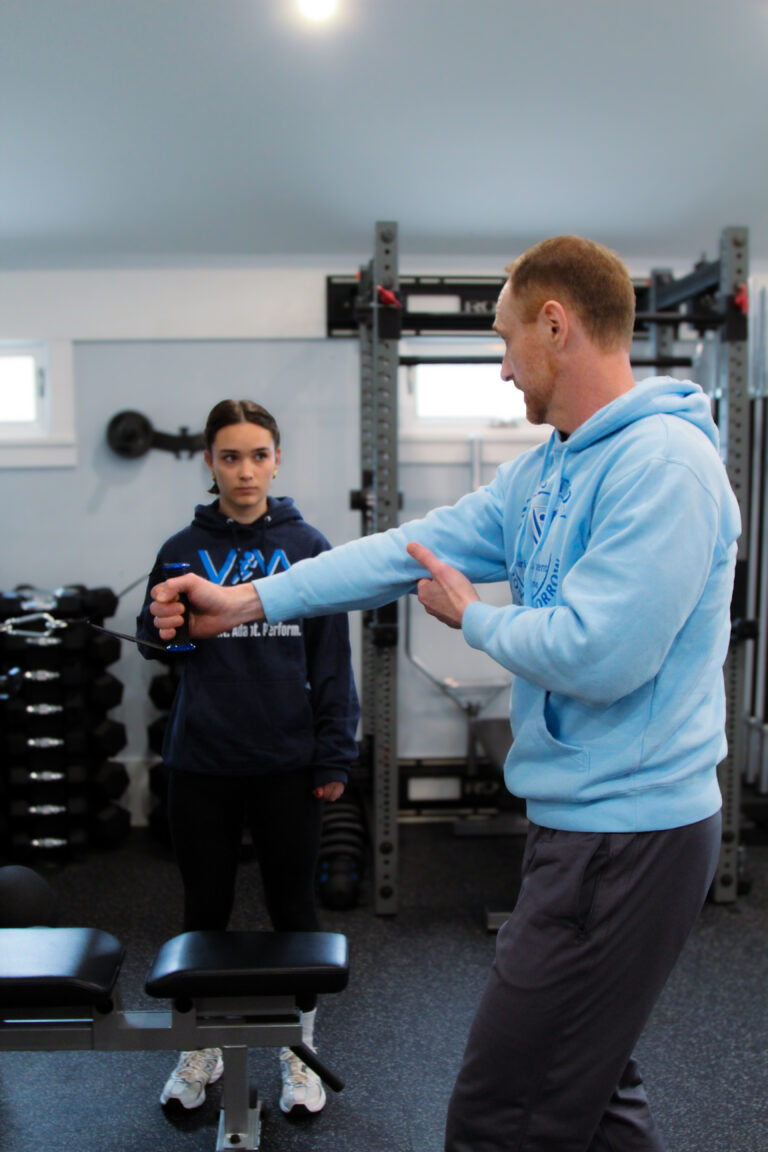
As an athletic trainer, my role is not just to treat injuries. It is to bridge the gap between where you are and where you want to be.
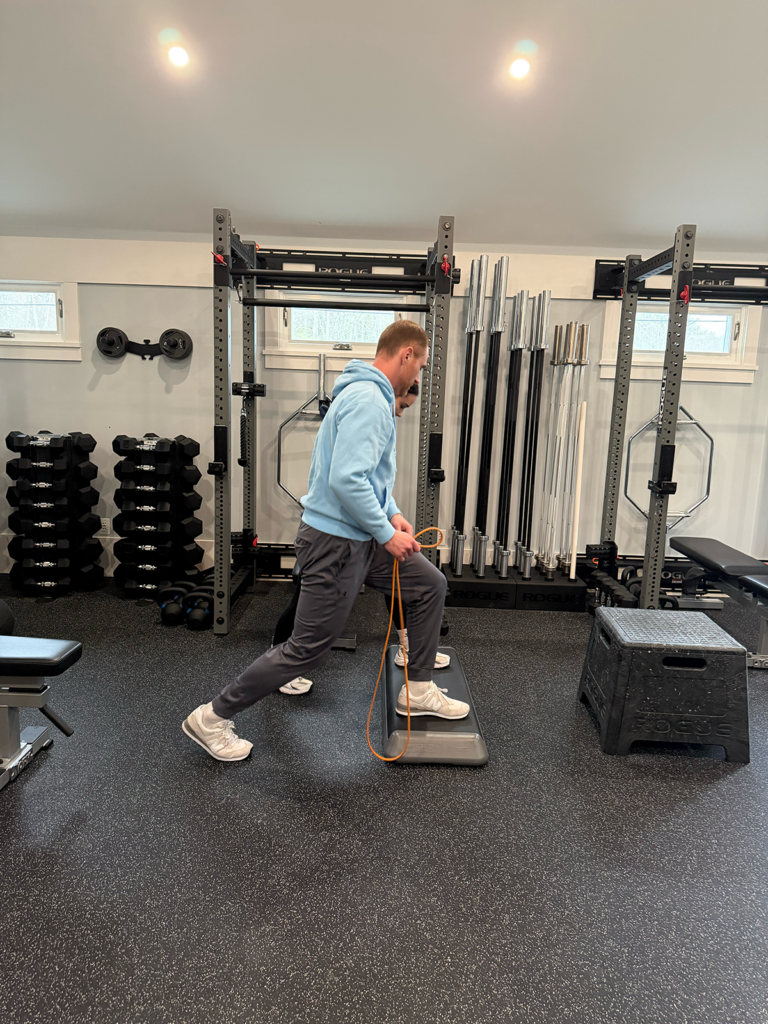
We assess movement quality, strength, mobility, and tissue tolerance. We identify asymmetries and weak links. We look at training history, lifestyle stress, sleep, and previous injuries. Then we build a progression that respects your current baseline.
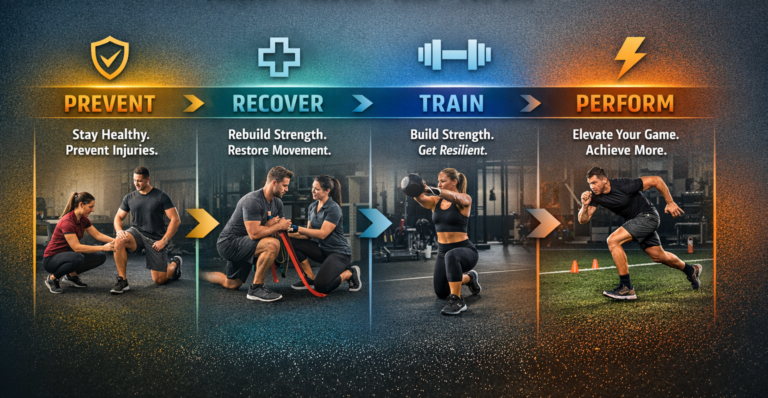
Instead of jumping straight into high intensity conditioning, we rebuild capacity.
We restore joint mobility where it has been lost.
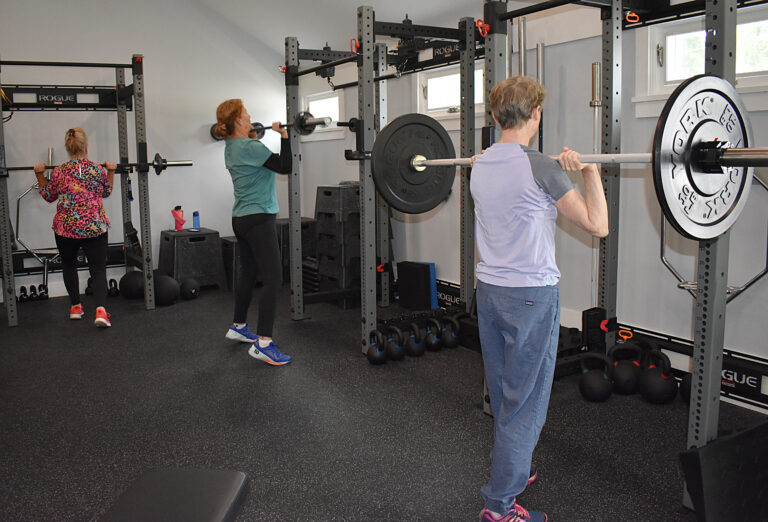
We strengthen the muscles that protect vulnerable areas like the knees, shoulders, and low back.
We progressively load tendons so they can tolerate impact and speed again.
We dose running, lifting, or sport specific drills in a way that allows adaptation instead of breakdown.
Most importantly, we remove the guesswork.
You do not need to stop identifying as an athlete. In fact, I encourage it. But you have to train like a smart, long term athlete, not a 22 year old trying to win a preseason fitness test.
If You Still Call Yourself an Athlete
If you still call yourself an athlete but have not been athletic for a few years, see an athletic trainer.
Do not wait until your Achilles is barking or your shoulder keeps you up at night. Do not assume that a generic online program understands your history.
The goal in your late 30s and 40s is not to prove you can survive a workout. The goal is to build durability so you can train consistently for years.
Variable Movement gives you a roadmap back to performance. It respects your identity while grounding you in your current reality. And it allows you to compete, lift, run, ski, or play without constantly cycling through injury.
You are not too old. You are just under prepared for what you are asking your body to do.
Let’s fix that the right way.