Movement: The Missing Key to a Pain-Free and Active Life
Why “Hands-On Fixes” Usually Fall Short in Achieving a Pain-Free and Active Life
If your goal is a pain-free and active lifestyle, the most reliable path is not finding the perfect stretch, the strongest massage therapist, or the newest “release” technique.
It is building a body that can handle life through progressive, well-chosen movement.
Across modern clinical guidelines for common pain problems, especially low back pain, the consistent theme is clear. Stay active, restore confidence, and progressively rebuild capacity.
Why movement matters more than “getting fixed”
Pain is real, but it is not always a direct measure of tissue damage. In persistent pain, the nervous system can become more protective. It may flag normal activities as danger, which leads to guarding, avoidance, and deconditioning.
That creates a predictable spiral:
Pain → less movement → less capacity → more sensitivity → more pain
Movement interrupts this cycle by improving:
- Strength and tissue tolerance so you can do more before symptoms flare
- Joint and muscle coordination for better control under load
- Circulation and recovery
- Confidence and reduced threat perception
- Function in real life activities such as walking, lifting, climbing stairs, and playing sports
Guidelines increasingly emphasize exercise and physical activity for chronic pain conditions because they improve function and quality of life, even when pain relief is modest at first.
The uncomfortable truth about massage, manual therapies and chiropractic care: mostly passive, often temporary
Massage can feel good. It can reduce symptoms for some people in the short term. However, the evidence and guideline direction are consistent on one point.
Hands-on care is not a stand-alone solution for lasting change. It doesn’t matter if it is coming from a massage therapist of a physical therapist, relief will always be temporary.
For low back pain, for example:
- Major guidelines allow manual therapies, including massage, only as an adjunct and typically as part of a broader package that includes exercise.
- Reviews of massage for low back pain find limited or uncertain benefit. When benefit exists, it is often small or short-lived, especially compared with approaches that build self-management.
Here is why this matters in the real world.
Passive care does not build capacity
Manual therapy does not teach your hips to hinge, your trunk to brace, your shoulder to control overhead range, or your legs to absorb force.
It may reduce sensation briefly, but it rarely changes the underlying contributors:
- Low strength or endurance
- Poor load tolerance
- Fear and avoidance
- Inconsistent activity
- Boom and bust training cycles
It can reinforce the wrong story
If someone believes they are tight or out of alignment and need to be worked on, they may become dependent on external fixes. That belief can reduce ownership and avoid the one intervention that reliably improves resilience, which is progressive training.
Even when it helps, it should be a bridge, not the plan
If hands-on work reduces symptoms enough to let you train, that can be useful. It should function as an entry point to the actual solution, which is movement.
Some research comparing exercise-based care with manual therapy approaches shows that exercise is at least as effective. Adding manual therapy does not consistently outperform exercise alone for long-term outcomes, depending on the population and study design.
What movement as medicine looks like in practice
A pain-free active lifestyle does not require extreme workouts. It requires consistency and appropriate dosage.
1) Start where you are and progress gradually
You build durability by stacking small, repeatable wins and allowing tissues to adapt.
- Start with an activity level that is repeatable
- Increase one variable at a time such as time, load, range, or speed
- Aim for challenging but safe rather than perfect
2) Train the basics that transfer to life
Most people benefit from simple movement patterns:
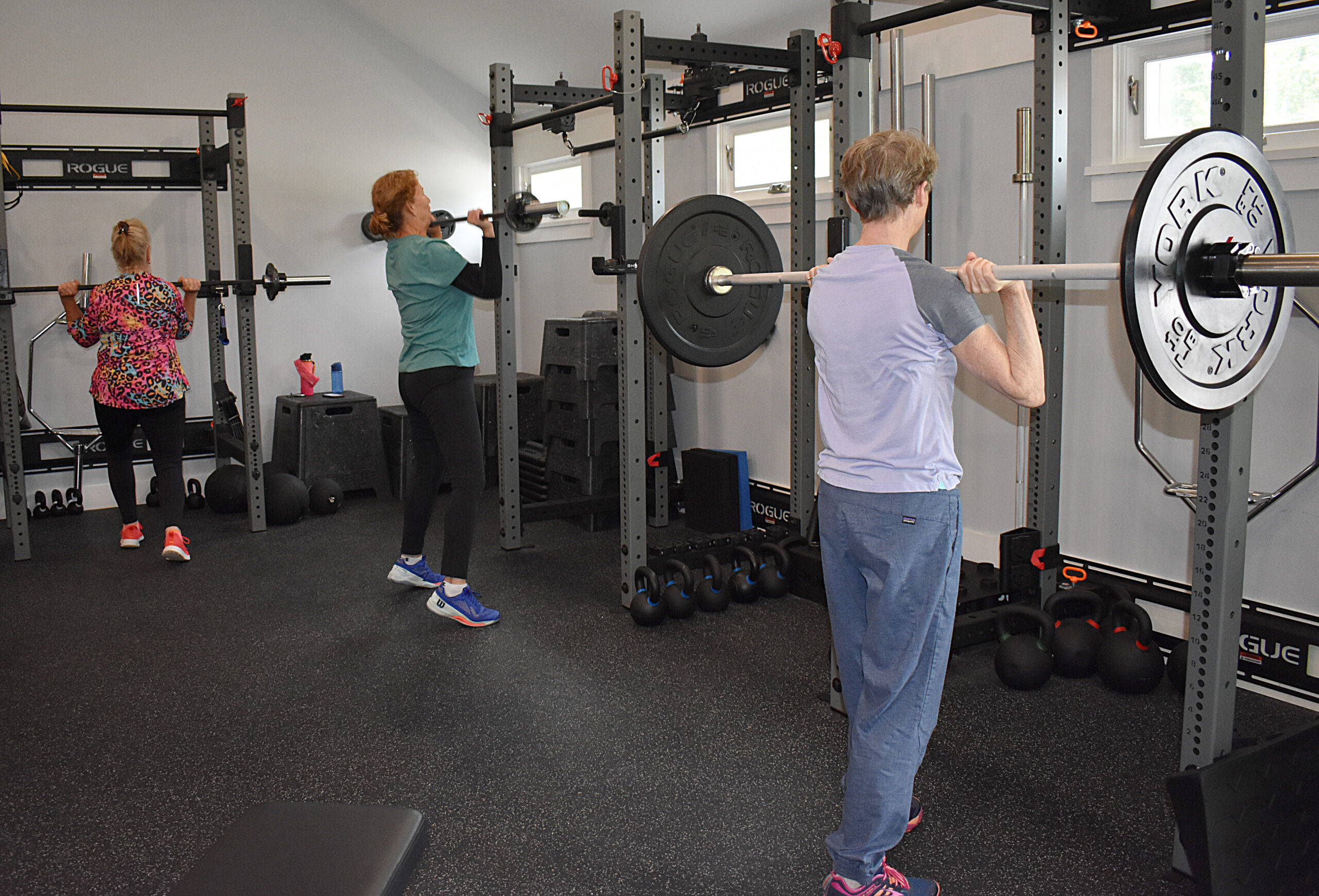
- Squat pattern for sit to stand and stairs
- Hinge pattern for picking things up
- Push and pull for upper body strength
- Carry for core, grip, and gait
- Walking, which is scalable and sustainable
Walking-based programs, especially when paired with education, have shown meaningful benefits for reducing recurrence of low back pain in at least one large trial.
3) Build confidence by practicing what you have been avoiding
Avoidance fuels persistent pain. Graded exposure, which involves carefully reintroducing feared movements, helps restore trust in your body.
You do not need to be fearless. You need a plan.
4) Use a flare-up rule instead of stopping completely
Flare-ups happen. What matters is your response.
- Do not stop completely
- Reduce the dose
- Keep moving at a manageable level
- Progress again once symptoms settle
This is one reason guidelines emphasize self-management and active strategies rather than repeated passive treatments.
The bottom line
If you want a body that stays active and pain-resistant:
- Movement is the foundation
- Exercise builds capacity
- Manual therapy, including massage, is optional and should support the plan rather than replace it
You do not need someone to fix you.
You need a system that helps you rebuild tolerance, confidence, and strength so you can live, train, work, and play with less pain and more freedom.